
November 13, 2026
Winter in Europe is dramatic, and every European country has its own climatic pattern. So, travellers always think about the country they want to visit and the weather conditions there before visiting.
This guide lists the coldest countries in Europe by average temperatures, record lows, and the length and severity of winter. “Coldest” can mean any of these measures, so the rankings consider all three.
You’ll also find practical advice on when to visit and what to pack, whether you’re heading to Finland or Iceland. Also, get to know important info about Schengen Visa UK.
Quick highlights
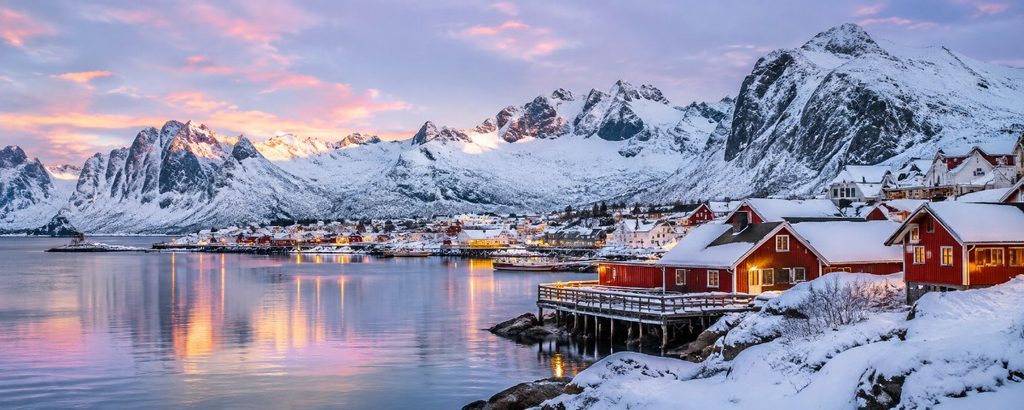
Region: Nordic, Scandinavia
Lowest recorded temperature: -50°C in Karasjok.
Popular winter activities: Dog sledding, Northern Lights viewing
Norway is famous for long winters and deep Arctic cold and is one of the coldest countries in Europe. The regions like Finnmark, temperatures often fall below – 20 degrees, and landscapes stay frozen for months. In this country, travellers come to witness the aura of the Northern Lights over icy fjords, for dog sledge routes across the plains, and for the polar nights.
In Norway, you can try hiking to Trolltunga, explore Oslo’s museums, or even go fjord cruising. So, make sure to add this to your bucket list of Coldest places in Europe in winter.
Top places to visit:
Region: Nordic, Scandinavia
Lowest recorded temperature: Around -50°C in Lapland.
Popular winter activities: Glass igloo stays, reindeer rides, and snowshoe hiking.
Almost every snow lover has heard of Lapland, Finland’s largest and northernmost region, and it is one of the Snowiest countries in Europe. In this way, Finland is filled with some of the most beautiful winter escapes for travellers.
The air feels clear, snow is thick, and the sky glows with soft colours; that is how Finland rewards visitors. Want to watch frozen sunsets? Then add this place to your winter holiday. Here you’ll not only ride across the frozen lakes but also take a cruise tour.
Top places to visit:
Region: Nordic, Northern Europe
Lowest recorded temperature: -39.7°C at Grímsstaðir.
Popular winter activities: Northern Lights viewing, glacier hiking, ice cave tours
Iceland is one of best countries to visit in Europe in winter, with glaciers, volcanoes, and winter scenes making it a place of great beauty. Throughout much of the country, snow blankets the ground in winter and the long nights provide perfect conditions to view the Northern Lights.
Ice-cold waterfalls, geothermal hot springs and black-sand beaches nestled in a rocky landscape await the UK traveller.
Here you will experience Iceland’s cultural highlights, take a dip in the Blue Lagoon, and hike on glaciers and the magical Golden Circle.
Top places to visit:
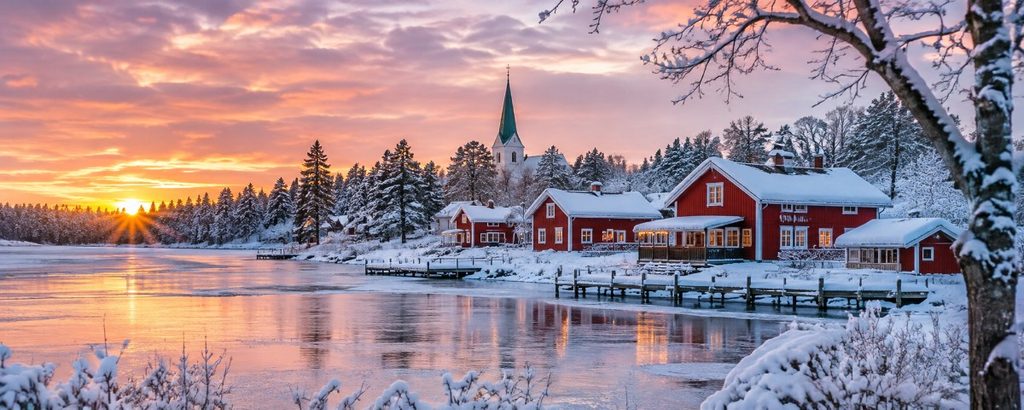
Region: Nordic, Scandinavia
Lowest recorded temperature: -52.6°C in Vuoggatjålme.
Popular winter activities: Dog sledding, Northern Lights viewing, skiing
Sweden is one of the coldest countries in Europe. The northern parts of this country have long snowy winters, cold weather, and a land of immense frozen wilderness.
Winter is the most popular time to visit Swedish Lapland, which is ideal for viewing the Northern Lights, staying at hotels with Ice themes, and enjoying winter in the snow-covered forests. The old cities to the south are a mix of winter scenery and a robust Scandinavian culture, and yes, if you are excited to spend your vacation here, then you must check your eligibility to apply for Schengen Visa from UK.
Sweden offers a variety of activities that allow you to experience this frozen northland country, from visiting the old town of Stockholm to skiing in the town of Åre to seeing the reindeer in Lapland and enjoying its peaceful beauty. So, add this to your list of European countries with the most snowfall.
Top places to visit:
Region: Baltic, Northern Europe
Lowest recorded temperature: -43.5°C in Jõgeva.
Popular winter activities: Cross-country skiing, ice skating, winter walks
Estonia is Coldest European cities in winter. The winters are cold and snowy, especially in the interior, and the coastline of the Baltic Sea has a unique maritime aspect.
The winter season brings to Estonia a hushed-up medieval atmosphere in the cities, forests and frozen lakes. In the winter season, the charm of Tallinn’s Old Town is particularly pronounced and makes for a storybook setting.
A tour of Tallinn’s medieval city centre, a visit to the national parks, islands, or winter sports in the snow-covered forests of Estonia awaits the visitor.
Top places to visit:
Region: Baltic, Northern Europe
Lowest recorded temperature: -43.2°C in Daugavpils.
Popular winter activities: Ice skating, cross-country skiing, winter sightseeing
The snowy forests, frozen waterways and historic cities offer a distinctly northern atmosphere to the winter in Latvia, which is quieter than that of other parts of Europe. Riga, the capital of Latvia, has a wonderful Old Town with its Art Nouveau buildings, and the countryside offers ample opportunity for walking and outdoor pursuits during the winter months.
You can enjoy the architecture of Riga, discover medieval castles, walk through the snow-covered national parks, or enjoy the calmness of winter on the Baltic coast in Latvia. So, don’t miss this one of the coldest countries in Europe.
Top places to visit:
Region: Eastern Europe
Lowest recorded temperature: -42.2°C in Slutsk.
Popular winter activities: Cross-country skiing, winter sightseeing, ice skating
Belarus has a continental climate, which is cold, with frequent snowfall and long freezing periods. The country’s forests and the lakes are in a tranquil winter mood, and its capital city presents museums, majestic avenues, and cultural attractions. Belarus is especially famous for its vast forests and nature reserves.
In Belarus, you can explore ancient forests, historic castles, wide avenues of Minsk, or enjoy the winter scenes around its lakes and national parks.
Top places to visit:
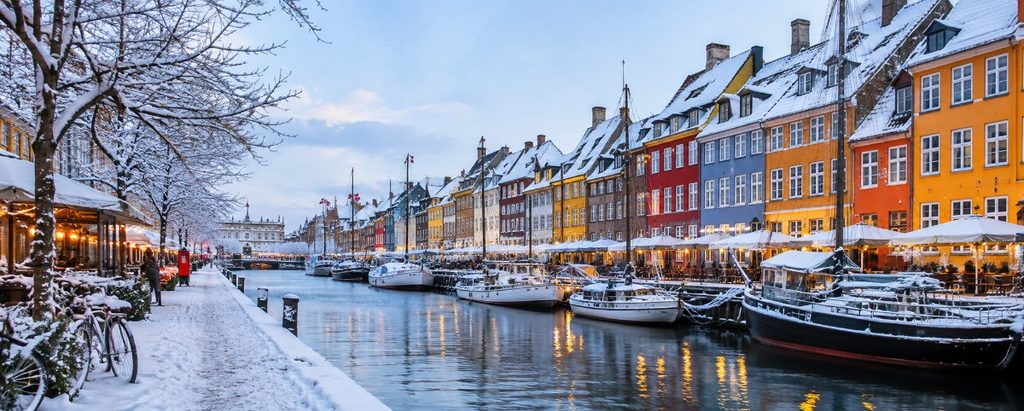
Region: Nordic, Scandinavia
Lowest recorded temperature: -31.2°C in Thy.
Popular winter activities: Winter sightseeing, cycling, coastal walks
The climate is relatively mild in Denmark compared to the other Nordic countries, but the winters can be cold, windy and occasionally snowy.
Its historic cities, coastal towns and countryside is cosy because of the shorter days and cold weather. Visitors to Denmark in the winter come to see its castles, museums, Christmas bazaars and learn about its great winter tradition of hygge – a culture of warmth and comfort.
In Denmark, you can enjoy royal castles, historic Viking sites, cosy cafés and winter markets, and Copenhagen’s colourful waterfront. Need Schengen Visa Appointment for Denmark from the UK? Then we are right here!
Top places to visit:
Note:- Applying for the first time? Read out the guide on the Schengen visa itinerary!
The winter season (December to February) is the coldest in Europe, but it is quite variable between regions. Extreme cold is possible in northern countries like Norway, Sweden, Finland and Iceland from November to March, with some Arctic regions continuing to be extremely cold well into spring.
It’s a time when the coldest weather is experienced across much of the continent, and it’s also a good time for travellers who enjoy snowy landscapes and real winter weather.
December through March is a good time to travel for Northern Lights, snow, and Arctic experiences. For those who enjoy winter but wish for slightly cooler weather, head to Central or Western European countries during the first half of January and December.
Christmas markets, festive activities, and decorated cities are best seen between the end of November and the end of December, and skiing and mountain activities can be found, at least in part, between January and March. So, if you are visiting the coldest countries in Europe, then it is the best idea for your next vacation.
Research the weather and daylight hours of the area you are travelling to before you submit your Schengen Visa Application UK.
Going to coldest countries in Europe is not only a matter of wearing a heavy coat. In Arctic and sub-Arctic areas, layering is the most effective way to stay warm for both indoor and outdoor conditions.
These are some of the basics to put on your winter packing list:
When going into extreme Arctic weather, choose fashion out of the way and go with what will keep you warm.
In Europe, there is an expansive variety of winter activities: from the Arctic wilderness of Norway and Sweden to the snowy landscapes of Iceland and the Baltic countries. From Northern Lights to frozen landscapes to visiting a historic European city under a blanket of snow, there’s a place for all kinds of winter travelers.
It’s not always the coldest countries in Europe that are the best places to visit in winter. The best place to go will depend on the type of experience you are looking for, what the temperatures are like that you are willing to deal with, and the type of activity you will be doing.
If you plan everything right, get your Schengen Visa from UK and dress appropriately; a trip to Europe in the winter can be comfortable and memorable.
Yes, a Europe trip during winter is worth it if you love snow-covered villages, northern lights, and peaceful landscapes. Winter destinations offer unique charm, seasonal food, and cultural traditions.
1. Fill out the visa application form and submit it by paying the charges.
2. Our experts will book the Schengen visa appointment from UK.
3. Visit the centre to get the documents verified and register the biometric details.
4. Your visa will be processed within 10-15 working days.
If you are travelling from UK, then eligibility for a Schengen visa for any of these countries varies.
UK citizens do not require a visa for a short stay of upto 90 days within a 180-day period. Whereas UK residents who are nationals of a non-visa-exempt country require a visa for short as well as long stays.
Some of the coldest countries in Europe to visit in winter include Norway, Finland, Iceland, and Sweden. These regions experience deep subzero temperatures, frozen lakes, and long polar nights.